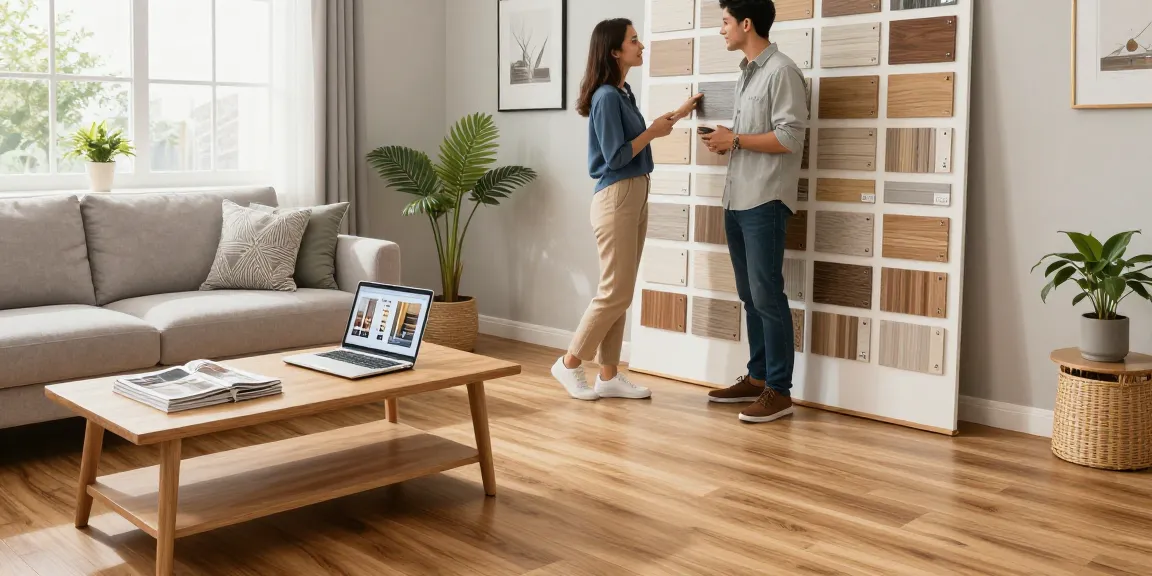
Understanding Laminate and Engineered Wood Flooring
Choosing the right flooring is pivotal for UK homeowners aiming to enhance the aesthetic and functional appeal of their spaces. When considering flooring options, laminate and engineered wood stand out as two popular contenders. Each offers distinctive features catering to different needs and preferences. If you’re weighing the pros and cons of these flooring types, read this flooring comparison to gain comprehensive insights that will help you make an informed decision.
What is Laminate Flooring?
Laminate flooring is an artificial product designed to mimic the appearance of natural wood. It consists of multiple layers: a core layer made of high-density fiberboard (HDF), a decorative layer with a photo of wood or stone, and a protective top layer that enhances durability. This construction allows laminate to withstand heavy foot traffic, making it suitable for homes with pets and children. Moreover, laminate flooring comes in various styles, colors, and finishes, providing options to match any decor.
What is Engineered Wood Flooring?
Engineered wood flooring, on the other hand, consists of a real hardwood surface bonded to a plywood base. This layered design provides the genuine look of wood while enhancing stability and resistance to moisture fluctuations. Engineered wood can be sanded and refinished a few times, extending its lifespan and preserving its beauty. It offers a luxurious feel underfoot and is ideal for homeowners looking for a premium flooring option that adds value to their homes.
Key Differences Between Laminate and Engineered Wood
- Material Composition: Laminate is synthetic, while engineered wood features real hardwood.
- Durability: Laminate is generally more durable and resistant to scratches; engineered wood offers a more authentic feel but can be more susceptible to moisture if not maintained properly.
- Installation: Laminate typically features a click-lock installation system for easy DIY projects, whereas engineered wood may require professional installation.
- Price Point: Laminate is usually budget-friendly, making it accessible for most homeowners, while engineered wood is priced higher due to its materials and craftsmanship.
Pros and Cons of Laminate Flooring
Cost-Effectiveness and Maintenance
One of the primary reasons homeowners choose laminate flooring is its cost-effectiveness. Laminate flooring is significantly cheaper than engineered wood while still providing a stylish appearance. It requires minimal maintenance: a simple sweep or vacuum and an occasional damp mopping suffice to keep it looking new. However, it’s important to note that laminate cannot be refinished, which may hinder its longevity compared to engineered wood.
Durability in High-Traffic Areas
Laminate flooring shines in high-traffic areas such as living rooms and hallways. Its protective top layer makes it resistant to scratches, dents, and stains, which is essential for families with pets or young children. As a result, laminate is an excellent option for busy households looking for resilient flooring solutions.
Design Options and Aesthetic Appeal
Today’s laminate flooring offers a broad range of designs, mimicking various wood grains and textures. Although it lacks the authenticity of real wood, advancements in printing technology have made laminate look remarkably realistic. Homeowners can choose from a variety of finishes and colors, ensuring they find a style that complements their interior design.
Pros and Cons of Engineered Wood Flooring
Authenticity and Visual Appeal
Engineered wood’s most substantial advantage is its natural beauty. The top layer is real hardwood, giving it an authentic look and feel that laminate cannot replicate. This authenticity is particularly appealing for homeowners looking to make a luxurious statement in their homes. With the right finishing treatments, engineered wood can enhance the aesthetic of any space.
Longevity and Investment Value
Engineered wood flooring typically offers a longer lifespan than laminate, especially when properly maintained. With the ability to refinish the surface multiple times, it can last for decades, making it a worthwhile investment for homeowners seeking long-term value. Furthermore, real wood can significantly increase the resale value of a property, appealing to future buyers.
Environmental Considerations and Sustainability
For environmentally conscious homeowners, engineered wood is often considered the more sustainable choice. Most engineered wood products use wood from sustainable sources and can contribute to lower carbon footprints compared to synthetic options. Homeowners can enjoy the beauty of real wood without compromising environmental integrity.
Best Uses for Laminate and Engineered Wood
Choosing the Right Flooring for Your Kitchen
Kitchens are unique spaces that require flooring capable of withstanding spills, humidity, and foot traffic. While laminate is more resistant to moisture and spills, engineered wood can also be suitable if properly sealed. For families who frequently cook and dine in the kitchen, laminate may be the safer choice for its enhanced durability.
Ideal Locations for Laminate Flooring
Laminate flooring is best suited for areas that endure high usage and where moisture exposure is limited, such as:
- Living areas
- Home offices
- Bedrooms
- Hallways
Where Engineered Wood Shines
Engineered wood is ideal for spaces that showcase design elegance and require a premium touch, including:
- Living rooms
- Dining areas
- Master bedrooms
- High-end renovations
Making the Right Decision for Your Home in 2026
Assessing Your Lifestyle and Budget
Your lifestyle and budget play crucial roles in determining the best flooring option for your home. Consider how much traffic your floors must endure, whether you have pets or children, and how much time you can devote to maintenance. Laminate offers an affordable, low-maintenance solution, while engineered wood provides a long-term investment for those prioritizing style and authenticity.
Future Trends in Flooring Materials
In 2026, flooring materials are expected to evolve with a focus on sustainability and innovative design. Homeowners may seek products that offer both aesthetic appeal and environmental responsibility. Engineered wood, with its sustainable sourcing and real wood surface, aligns well with this trend, while laminate continues to innovate in design and durability.
Professional Installation vs. DIY Options
Installing laminate flooring can be managed as a DIY project due to its uncomplicated click-lock system. Many homeowners enjoy taking on this task themselves, saving on labor costs. In contrast, engineered wood may require professional installation to ensure a proper fit, particularly if you choose a product that requires glue or nail down methods. Assessing your DIY skills and willingness to invest in professional help will ultimately influence your flooring choice.
Frequently Asked Questions
What are the main differences between laminate and engineered wood?
The primary differences between laminate and engineered wood lie in their materials, durability, and appearance. Laminate is synthetic and more resistant to wear; engineered wood features real hardwood for a more authentic aesthetic.
Is laminate flooring suitable for kitchens?
Yes, laminate flooring can be suitable for kitchens due to its moisture resistance. However, it is advisable to avoid excessive standing water and ensure proper sealing.
How long does engineered wood flooring last?
Engineered wood flooring can last 20-30 years or more with proper maintenance, including periodic refinishing.
Can I install laminate flooring myself?
Absolutely! Laminate flooring is designed with DIY enthusiasts in mind, featuring an easy installation process that doesn’t require specialist skills.
What is the cost comparison between laminate and engineered wood?
Laminate flooring typically costs less than engineered wood. Depending on the quality and brand, laminate may range from £10 to £30 per square meter, while engineered wood can range from £25 to £90 per square meter or more.