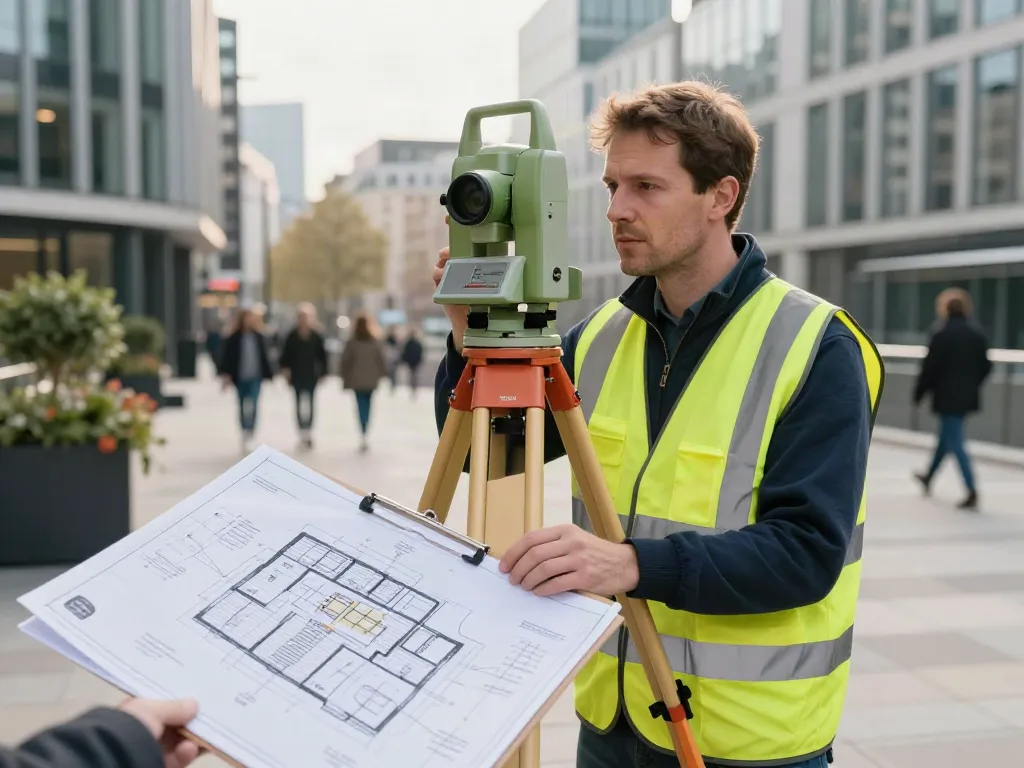
Understanding Measured Building Surveys
Measured building surveys are essential for property owners, architects, and builders alike, providing a comprehensive understanding of a building's dimensions and layout. This detailed documentation serves as a foundation for various construction and renovation projects. With a dedicated team of experienced professionals, Measured Building Survey Surrey prioritises accuracy and detail, ensuring clients have all the essential data needed for successful project execution.
What is a Measured Building Survey?
A measured building survey is a precise process that involves capturing the dimensions and details of a building or site. These surveys typically include floor plans, elevations, and sections, providing a holistic view of the property. The data gathered can be invaluable for renovations, restorations, or any construction projects, serving as a crucial resource for architects and engineers. With modern technology, such as 3D laser scanning and drone mapping, these surveys can achieve remarkable accuracy, allowing for detailed digital representations of buildings.
The Importance of Accurate Measurements
In the construction and architecture industries, accuracy is paramount. Miscalculations can lead to costly mistakes, delays, and even safety hazards. Accurate measurements help ensure that all components fit together seamlessly, allowing for efficient use of materials and resources. Additionally, having precise data can provide a competitive advantage when submitting proposals or bids for projects. For anyone managing a construction or renovation job, securing a high-quality measured building survey is critical to the project's overall success.
How Measured Building Surveys Benefit Your Project
Measured building surveys offer numerous benefits that can enhance the efficiency and effectiveness of construction projects. For instance:
- Design Accuracy: Accurate surveys provide a reliable basis for design and planning, reducing the likelihood of errors.
- Regulatory Compliance: They help ensure adherence to local building regulations and standards.
- Cost Management: With precise measurements, project managers can better estimate costs, helping to stay within budget.
- Project Planning: Detailed surveys facilitate better planning and scheduling, allowing projects to move forward smoothly.
Choosing the Right Surveyor in Surrey
When it comes to selecting a measured building surveyor, there are several key factors to consider. A trusted surveyor will ensure your project runs smoothly and is completed to the highest standard. Here’s what to look for:
Key Qualities to Look for in Measured Building Surveyors
1. Experience: Look for a surveyor with a proven track record in undertaking similar projects. Experience can greatly influence the quality of the survey.
2. Technology: Ensure the surveyor uses the latest technology, such as 3D laser scanning, to ensure precision.
3. Client Testimonials: Reading reviews and testimonials can give you insight into the surveyor’s reliability and quality of service.
4. Accreditations: Verify that the surveyor holds any necessary professional memberships or accreditations, which can signify credibility in the field.
Questions to Ask Before Hiring a Surveyor
Before you make a hiring decision, consider asking the following questions:
- What methodologies do you use for your surveys?
- Can you provide references or examples of past work?
- How long will the survey take to complete?
- What are your fees, and what do they include?
- Do you carry professional indemnity insurance?
Comparative Analysis of Surveying Services in Surrey
It’s advisable to compare various surveying services within Surrey to determine which one aligns best with your project requirements. Check for their specialist services, past project portfolios, and customer support capabilities. This analysis can help you avoid pitfalls and select a surveyor that meets your specific needs.
Common Challenges in Measured Building Surveys
While measured building surveys are crucial, they are not without their challenges. Understanding these can help mitigate issues during the survey process.
Misconceptions About Measured Building Surveys
Many misconceptions exist regarding the necessity and complexity of measured building surveys. Some people believe they are only needed for large projects, while in reality, any construction or renovation undertaking stands to benefit from accurate surveys regardless of scale.
Technical Challenges and How to Overcome Them
Various technical challenges can arise during a measured building survey, including:
- Access Issues: Difficult-to-reach areas may lead to incomplete data. Surveyors should come prepared with the right tools and methods.
- Site Conditions: Weather and environmental factors can cause delays or affect measurement accuracy. Having contingency plans is crucial.
- Technology Limitations: Outdated equipment may not capture the necessary details. Choosing a surveyor with the latest technology can safeguard against this issue.
Budgeting for a Measured Building Survey
Budgeting for a measured building survey involves considering several factors, such as the complexity of the project, the type of survey required, and the surveyor's fees. Transparent pricing from the surveyor can facilitate better budgeting and project planning.
Best Practices for Conducting Measured Building Surveys
To maximise the value of a measured building survey, it is essential to follow best practices throughout the process.
Step-by-Step Guide to Conducting a Survey
1. Initial Consultation: Discuss your project needs with the surveyor to determine the appropriate survey type.
2. Site Preparation: Ensure the site is accessible and that any necessary permissions are secured.
3. Data Collection: The surveyor will undertake the survey using appropriate tools and methods to gather data accurately.
4. Data Analysis: After completing the survey, the data will be analysed and transformed into usable outputs like drawings and reports.
5. Delivery: The final survey documents will be delivered to the client with comprehensive details.
Utilising Technology for Enhanced Accuracy
Incorporating technology, such as 3D scanning, can significantly enhance the accuracy of measured building surveys. These tools allow surveyors to capture intricate details that traditional methods may overlook.
Real-World Case Studies of Successful Surveys
Case studies can illustrate the tangible benefits derived from conducting thorough measured building surveys. For example, a recent project involved a complex renovation of a historic building where precise measurements were critical to maintaining structural integrity. The survey successfully identified potential issues before construction began, saving time and costs later in the project.
Future Trends in Building Surveys
As the surveying industry evolves, so too do the trends that influence how surveys are conducted and implemented.
Emerging Technologies in Measured Building Surveys
Future advancements may include the integration of Artificial Intelligence and machine learning to automate aspects of the surveying process. These technologies can enhance data analysis and interpretation, leading to faster and more accurate results.
Predictions for Building Regulations and Standards in 2026
Looking ahead, building regulations are expected to become more stringent, particularly regarding sustainability and energy efficiency. Staying abreast of these changes will be crucial for surveyors and clients to ensure compliance.
How to Stay Ahead in the Surveying Industry
To remain competitive, surveyors should embrace continuous professional development, adopt new technologies, and engage in networking opportunities. This approach will ensure they are well-prepared for future challenges and trends in the industry.
What is the cost of a measured building survey?
The cost of a measured building survey varies based on the size and complexity of the project, as well as the specific requirements of the client. Typically, surveyors provide detailed quotes based on initial consultations.
How long does a measured survey take?
Survey duration can range from a few hours for straightforward projects to several days for more complex sites. Factors influencing time include site accessibility, data volume, and the survey methodology employed.
Do I need a measured survey for my project?
If your project involves renovations, extensions, or construction, a measured survey is highly advisable. It provides critical data that can prevent costly mistakes and delays down the line.
Can a measured building survey be done remotely?
With advancements in technology, some aspects of a measured building survey can be conducted remotely using tools such as remote sensing and digital mapping. However, comprehensive surveys typically still require physical presence on-site for accuracy.
What are the benefits of using advanced technology in measured surveys?
Advanced technology, including 3D laser scanners and drones, enhances precision in capturing complex building geometry and features. This results in higher-quality data and more effective documentation for project stakeholders.