
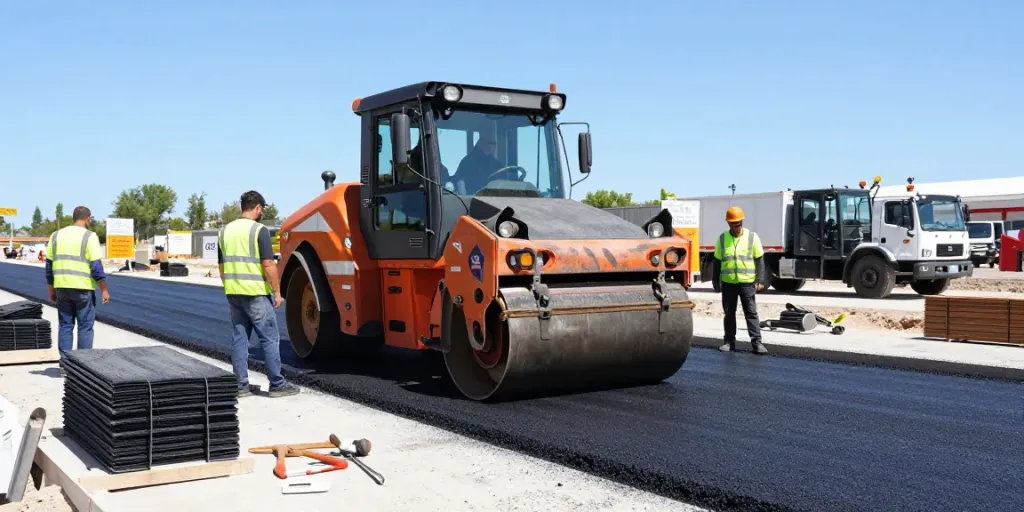
Understanding Asphalt Paving Services
Asphalt paving services play a critical role in the construction and maintenance of roads, driveways, parking lots, and a myriad of other surfaces. This article delves into the intricacies of asphalt paving, providing insights into its benefits, challenges, and best practices. By understanding these elements, both homeowners and business owners can make informed decisions when considering paving services. For a comprehensive guide and detailed information about our offerings, click here for more info.
What are Asphalt Paving Services?
Asphalt paving services encompass the installation, maintenance, and repair of surfaces composed of asphalt. This material is a mixture of aggregates—such as sand, gravel, and crushed stone—combined with asphalt cement, which binds the materials together. The versatility of asphalt makes it suitable for various applications, including residential driveways, commercial parking lots, and extensive highway systems. The services may range from new construction projects to resurfacing existing asphalt, ensuring both aesthetics and durability.
Importance of Quality Paving
Quality asphalt paving is essential for creating a smooth and durable surface that can withstand daily traffic and environmental factors. High-quality materials and skilled workmanship not only enhance the appearance of the surface but also prolong its lifespan. Investing in quality paving can reduce the need for frequent repairs and maintenance, ultimately saving money in the long run.
Common Applications of Asphalt Paving
- Driveways: Asphalt driveways are popular due to their affordability and quick installation.
- Parking Lots: Commercial properties often utilize asphalt for parking lots because of its durability and ability to handle heavy loads.
- Highways: Asphalt is a preferred choice for highways due to its smooth finish, which reduces vehicle wear and improves fuel efficiency.
- Walking Paths: In urban environments, asphalt can be used to create accessible walking paths and bike lanes, promoting safety and convenience.
Key Benefits of Asphalt Paving
Durability and Longevity
Asphalt is known for its exceptional strength and resilience. When properly installed and maintained, asphalt surfaces can last over 20 years. This longevity is due to the material's ability to withstand various weather conditions, including extreme heat and cold. Regular maintenance, such as seal coating and crack filling, can further enhance the lifespan of asphalt surfaces.
Cost-Effectiveness Over Time
While the initial cost of asphalt paving may be higher than some alternatives, its long-term cost-effectiveness is well-documented. Asphalt provides a solid return on investment due to its durability, requiring less frequent repairs compared to other materials. Additionally, its quick installation reduces labor costs and minimizes disruption to property owners.
Environmentally Friendly Options
Asphalt is 100% recyclable, making it an environmentally friendly choice for paving. Reclaimed asphalt pavement (RAP) can be reused in new paving projects, significantly reducing waste and conserving natural resources. Moreover, advancements in eco-friendly paving technologies are making it easier to create sustainable asphalt solutions that align with modern environmental standards.
Challenges in Asphalt Paving
Weather Effects on Paving Quality
Weather conditions can significantly impact the quality of asphalt paving. Ideal temperature conditions for laying asphalt are between 50°F and 85°F. Extreme cold can lead to longer curing times, while excessive heat can cause the asphalt to become too malleable, leading to uneven surfaces. Proper scheduling and weather monitoring are essential for successful paving projects.
Common Installation Mistakes
Installation errors can lead to serious issues in asphalt paving. Common mistakes include inadequate base preparation, improper asphalt mix, and poor compaction. Ensuring that the contractor follows industry standards and guidelines can mitigate these risks and result in a quality installation.
Maintenance Requirements for Longevity
To maintain the integrity of asphalt surfaces, regular maintenance is crucial. This includes periodic seal coating, crack filling, and surface cleaning. Neglecting these maintenance tasks can lead to costly repairs and shorten the lifespan of the pavement.
Choosing the Right Asphalt Paving Contractor
What to Look For in a Contractor?
When selecting an asphalt paving contractor, several factors should be taken into consideration. Look for a contractor with a solid reputation, extensive experience, and positive customer reviews. Ensure they are licensed and insured, which protects you from liability in case of accidents during the project.
Questions to Ask Potential Contractors
Before hiring a contractor, ask about their experience with similar projects, the types of materials they use, and their warranty policies. Inquire about their project timeline and obtain a written estimate of costs to avoid unexpected expenses.
Understanding Pricing Structures
Pricing for asphalt paving can vary widely based on factors such as project size, materials used, and local labor costs. Understanding the pricing structure will help you budget appropriately and compare quotes from different contractors effectively.
The Future of Asphalt Paving in 2026
Emerging Technologies in Paving
As we approach 2026, new technologies are emerging in the asphalt paving industry. Innovations such as machine learning algorithms for maintenance scheduling, infrared imaging for assessing surface conditions, and advanced materials that enhance durability are changing how paving projects are managed and executed.
Trends in Sustainable Paving Practices
With a growing focus on sustainability, the asphalt paving industry is embracing practices that minimize environmental impact. This includes the increased use of recycled materials, the development of warm-mix asphalt (which uses less energy during production), and the promotion of permeable paving solutions that reduce stormwater runoff.
Predictions for the Paving Industry
The paving industry is expected to continue its trend toward innovation and sustainability. With increasing regulations around environmental impact, contractors will need to adapt to meet these demands while still delivering high-quality services.
What are the Best Practices for Asphalt Paving?
Best practices in asphalt paving include proper site preparation, using high-quality materials, and employing experienced workers. Additionally, adhering to industry standards and maintaining clear communication with clients throughout the project can greatly enhance overall satisfaction.
How to Identify Quality Asphalt Services?
Look for contractors who provide detailed project plans, use quality materials, and have positive testimonials from previous clients. Requesting references and reviewing past projects can give you insights into the contractor's quality of work.
Why is Maintenance Important for Paved Surfaces?
Regular maintenance is vital for extending the life of asphalt surfaces and preserving their aesthetics. Routine inspections, timely repairs, and seal coating are key elements that protect against wear and environmental damage.
What Innovations are Expected in Asphalt Paving?
Expect innovations that focus on efficiency and sustainability. Technologies like automated paving machines, eco-friendly materials, and energy-efficient production processes are anticipated to reshape the asphalt paving landscape.
How to Choose the Best Asphalt Material?
Choosing the right asphalt material depends on the intended use and environmental conditions. Consult with your contractor about the best options tailored to your specific needs, whether you require a high-performance mix for heavy traffic areas or a standard mix for residential applications.