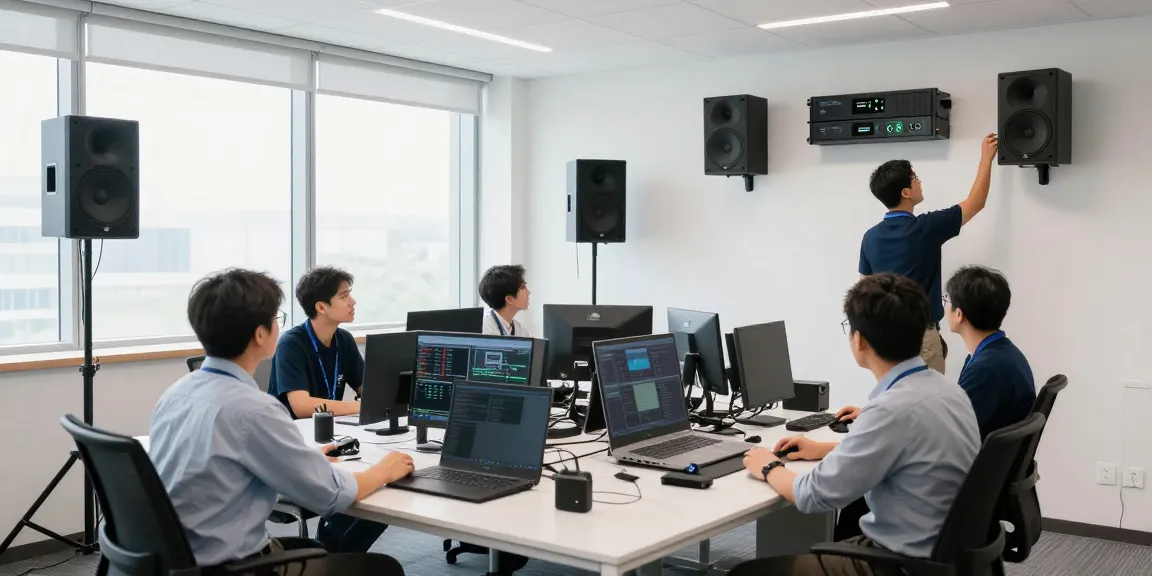
Understanding Sound System Installation Basics
In today's interconnected world, establishing seamless communication across various environments is essential. Sound system installation plays a crucial role in enhancing audio clarity and ensuring that every voice is heard clearly, whether in corporate boardrooms, lively restaurants, or serene places of worship. As professionals in the field, we understand the intricacies involved in designing and installing sound systems that cater to specific needs and acoustic challenges. If you're looking for reliable sound system installation solutions, you’ve come to the right place.
What is Sound System Installation?
Sound system installation refers to the process of designing, supplying, and setting up audio equipment in various commercial and public spaces. This process includes the integration of speakers, amplifiers, mixers, and microphones to ensure high-quality sound reproduction. The goal is to create a tailored audio experience that meets the unique demands of the environment, whether it be for presentations, performances, or everyday communication.
Types of Sound Systems for Commercial Spaces
There are several types of sound systems designed for different commercial applications, including:
- Background Music Systems: Ideal for retail stores and restaurants, providing an ambient soundscape without overwhelming customers.
- Public Address (PA) Systems: Used in places like schools and auditoriums, allowing announcements and lectures to be heard clearly by large audiences.
- Foreground Music Systems: Designed for venues like gyms or clubs, where music is a key element of the experience.
- 100 Volt Line Systems: Common in large spaces for distributing audio over long distances without loss of quality.
Key Components of a Sound System
A well-designed sound system comprises several crucial components:
- Speakers: The primary output devices that convert electrical energy into sound.
- Amplifiers: Devices that boost audio signals to drive the speakers effectively.
- Mixers: Used to blend different audio inputs, allowing for smooth transitions and balanced sound levels.
- Microphones: Essential for capturing audio input, ranging from handheld mics to professional-quality condenser mics.
Benefits of Professional Sound System Installation
Investing in professional sound system installation offers several significant advantages that can elevate the performance of any venue.
Improved Audio Quality and Clarity
High-quality sound systems are designed to deliver crystal-clear audio, minimizing distortion and enhancing overall sound quality. Professional installers understand the nuances of acoustics and can position speakers and select components that provide optimal audio clarity even in challenging environments.
Enhanced Audience Engagement and Experience
Whether it’s a business presentation or a live concert, clear sound can dramatically improve audience engagement. A well-installed sound system ensures that every attendee can hear and appreciate the content without straining to catch every word.
Scalability for Future Needs
Professional installations often focus on scalability, allowing for easy upgrades and modifications as needs evolve. This foresight saves time and costs in the long run, ensuring that your sound system can adapt to future technological advancements or changes in usage.
Common Challenges in Sound System Installation
Despite its advantages, sound system installation can present several challenges that need to be addressed effectively.
Identifying Acoustic Issues in Different Environments
Acoustic properties vary widely across different spaces. Factors like wall materials, ceiling height, and room size all impact sound behavior and quality. Identifying these issues early is crucial for a successful installation.
Budget Constraints and Cost-Effective Solutions
While high-quality sound systems can come with a significant price tag, there are often budget-friendly options that don’t compromise on performance. Professional AV teams can help identify the best equipment that meets your needs without breaking the bank.
Choosing the Right Equipment for Your Needs
With countless audio products available, selecting the right components tailored to individual space requirements can be daunting. Expertise is needed to ensure that the chosen equipment aligns with the specific needs of your venue.
Best Practices for Effective Sound System Installation
To ensure a successful sound system installation, several best practices should be followed.
Conducting Site Assessments for Optimal Setup
A thorough site assessment is essential before any installation. This process helps identify potential obstacles, such as reflective surfaces or noise pollution, which could affect sound quality.
Working with Experienced AV Professionals
Engaging professionals who specialize in audio visual installations can make a significant difference. Their experience ensures that the system is installed correctly, avoiding common pitfalls.
Regular Maintenance and Upgrades
To maintain optimal performance, regular maintenance of sound systems is vital. This includes checking connections, cleaning equipment, and updating software as needed.
Future Trends in Sound System Installation for 2026
As we look forward, several trends are emerging in sound system installation that businesses should be aware of.
Integration with Smart Technology
The rise of smart technology will continue to shape sound system installations. Systems that integrate seamlessly with smart devices can enhance user experience and streamline control.
Emerging Audio Technologies and Innovations
New developments in audio technology, such as wireless systems and advanced DSP (Digital Signal Processing), will likely become mainstream, providing enhanced versatility and sound quality.
Predictions for User Preferences and Industry Standards
As user preferences evolve towards greater interactivity and integration, industry standards will shift to accommodate these needs. This shift will impact everything from equipment design to installation practices.
What are the costs associated with sound system installation?
The cost of sound system installation varies widely based on factors like the size of the space, complexity of the system, and type of equipment selected. A professional AV company can provide a detailed estimate after assessing your specific needs.
How can I determine the right sound system for my venue?
Understanding your venue's specific needs is crucial. Factors to consider include the size of the space, its intended use, and the expected audience size. Consulting with professionals can help clarify these requirements.
What maintenance is required after installation?
Regular maintenance includes checking all components for wear and tear, updating software, and replacing any faulty parts to ensure uninterrupted performance.
What types of spaces benefit most from sound system installations?
Many environments can benefit from sound system installations, including:
- Corporate offices for meetings and presentations
- Educational institutions for classrooms and lecture halls
- Entertainment venues for concerts and events
- Restaurants and bars for enhancing atmosphere
How to troubleshoot common sound system issues?
Common troubleshooting steps include checking power connections, ensuring all equipment is compatible, and verifying settings on mixers and amplifiers. Regular maintenance can also preempt many issues before they arise.
Conclusion
Sound system installation is a crucial investment for any business or organization looking to enhance communication and customer experience. By understanding the basics, recognizing challenges, and following best practices, you can ensure that your installation meets current demands while being adaptable for future needs. Partnering with experienced professionals, like those at Definition Audio Visual, can make the process more efficient and effective, delivering the high-quality audio solutions that keep your audience engaged and informed.