Understanding the Mix Board Concept
The digital revolution has transformed how we conceptualize and collaborate on creative projects. At the forefront of this evolution is the mix board, a versatile tool that simplifies the process of idea generation, visual brainstorming, and team collaboration. This article will delve into the intricacies of mix boards, exploring their benefits, setup, and real-world applications, while highlighting their relevance in 2026 and beyond.
What is a Mix Board?
A mix board is an interactive platform that combines various creative elements—such as visuals, text, and multimedia—to facilitate brainstorming and project planning. Unlike traditional project management tools, mix boards allow users to visualize ideas spatially, enabling a free-flowing exploration of concepts. They serve as an infinite canvas where teams can aggregate thoughts, create mood boards, and design visual narratives, all while fostering collaboration in real-time.
Benefits of Using a Mix Board for Creativity
The adoption of a mix board can significantly enhance the creative process across various industries. Here are some key benefits:
- Enhanced Collaboration: Mix boards enable remote teams to work together seamlessly, regardless of geographic barriers. This fosters inclusivity and diverse inputs, which are crucial for creative endeavors.
- Visual Thinking: By translating abstract ideas into visual formats, mix boards help teams conceptualize narratives and design structures effectively.
- Flexible Structure: The open format of mix boards allows for spontaneous idea generation, enabling teams to pivot and adapt their strategies as projects evolve.
- Streamlined Workflows: With the integration of tools for organization and communication, mix boards simplify project management, leading to quicker decision-making and execution.
How Mix Boards Enhance Team Collaboration
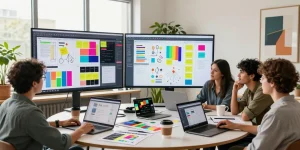
Collaboration lies at the heart of successful creative projects, and mix boards exemplify this principle. By providing a unified platform for idea sharing, they streamline communication and ensure all team members can participate fully. Real-time editing and feedback mechanisms allow for immediate input, which is invaluable in fast-paced environments where agility is essential. Furthermore, mix boards can integrate other tools, such as file storage and task management, creating a holistic approach to project execution.
Setting Up Your Digital Mix Board
Setting up an effective digital mix board involves careful consideration of several factors to ensure it meets your team’s unique needs. From selecting the appropriate software to designing a layout that promotes creativity, each step contributes to a successful implementation.
Choosing the Right Software for Your Needs
The first step is selecting a mix board platform that aligns with your project’s goals. Look for software that offers collaborative features, customizable templates, and integrations with other tools your team uses. Popular options include GoJelly, Miro, and Milanote, each bringing unique functionalities to the table. Evaluate your team’s size, budget, and specific requirements to make an informed choice.
Designing an Effective Layout for Your Mix Board
The layout of your mix board can significantly impact its usability and effectiveness. Organize sections by theme or project phase to facilitate easy navigation. Use color coding and labeling for different elements to enhance clarity. Incorporating a mind map structure can also help connect ideas visually, making it easier to explore relationships between concepts.
Integrating Tools and Resources into Your Mix Board
A well-integrated mix board incorporates various resources that enhance productivity. This includes uploading relevant files, linking to external documents, and embedding media that can aid in visual communication. By bringing together all necessary materials in one place, you reduce the need for team members to switch between platforms, streamlining the creative process.
Best Practices for Using a Mix Board Effectively
To fully leverage the capabilities of a mix board, it’s essential to follow best practices that enhance its effectiveness in your workflow. The following strategies will help your team maximize this powerful tool:
Maximizing Visual Communication on Your Mix Board
Visual communication is a cornerstone of effective collaboration. Use images, video snippets, and infographics to illustrate concepts and key points. Encourage team members to express their ideas through visuals, which can lead to deeper discussions and a broader range of perspectives. Additionally, utilizing templates for specific tasks can help maintain consistency and focus within your projects.
Encouraging Creative Input and Feedback
Fostering a culture of open feedback is vital for creative growth. Encourage team members to share their thoughts on each other’s ideas and facilitate discussions directly on the mix board. Consider implementing regular check-ins where team members can review progress and offer constructive criticism. This collaborative feedback loop can stimulate innovation and lead to more refined outcomes.
Maintaining Flexibility and Adaptability During Projects
One of the key advantages of a mix board is its flexibility. Allow your team to experiment with ideas and adjust layouts as projects evolve. Embrace the iterative process of creation, where rough ideas can transform into polished concepts through collaboration. Implementing agile methodologies can further enhance adaptability, ensuring your team can respond effectively to changing project requirements.
Real-World Applications of a Mix Board
Mix boards have found applications across a wide range of industries, showcasing their versatility and effectiveness in enhancing creativity and collaboration. Here, we explore various real-world examples of successful mix board implementations.
Case Studies of Successful Mix Board Implementations
Numerous organizations have successfully integrated mix boards into their workflows, leading to impressive results. For instance, a leading design agency utilized a mix board for a large-scale campaign, enabling their remote team to collaborate on mood boards and concepts in real-time. The result was a cohesive and innovative marketing campaign that exceeded client expectations, all thanks to the enhanced collaboration afforded by the mix board.
How Various Industries Use Mix Boards to Innovate
From education to marketing, mix boards are utilized by diverse sectors to drive innovation. Marketing teams employ mix boards to visualize campaign strategies and align messaging across channels. Educational institutions use them to facilitate collaborative learning, allowing students and teachers to brainstorm ideas and create interactive presentations. The adaptability of mix boards makes them an ideal fit for any industry seeking to enhance creative collaboration.
Measuring the Impact of Mix Boards on Project Outcomes
To assess the effectiveness of mix boards, organizations can establish key performance indicators (KPIs) such as project completion time, team satisfaction, and quality of outputs. Surveys and feedback sessions can help gauge the perceived value of the mix board in facilitating collaboration and creativity. By continually measuring these outcomes, teams can refine their approach and maximize the benefits of their chosen platform.
Future Trends in Mix Board Technology for 2026
As technology continues to evolve, mix boards are poised to advance significantly, incorporating emerging technologies that enhance their functionality and user experience. Here are some anticipated trends for 2026:
Emerging Technologies that Enhance Mix Boards
The integration of artificial intelligence (AI) and machine learning is set to revolutionize mix boards. These technologies could enable automated suggestions for layouts, creative prompts, and dynamic resource recommendations based on user behavior. Enhanced data analytics features may also be introduced, providing insights into team productivity and collaboration patterns.
Predictions for Collaborative Creativity Tools
As remote work becomes the norm, the demand for robust collaboration tools will continue to grow. Future mix boards should focus on enhancing user experience through improved interfaces and intuitive navigation. Integration with virtual reality (VR) and augmented reality (AR) is also predicted, allowing teams to brainstorm in immersive environments, thus pushing the boundaries of traditional idea generation.
Preparing for the Next Evolution of the Mix Board
To stay ahead of the curve, teams should adopt a proactive approach in adapting their workflows to incorporate new technologies. Regularly assessing the effectiveness of current tools and being open to new solutions will ensure teams remain competitive and innovative. Engaging in professional development opportunities and training can also prepare team members for the evolving landscape of collaborative creativity tools.
What are the key features of an effective mix board?
Effective mix boards should offer real-time collaboration, customizable layouts, integration with other tools, and robust visual communication capabilities. Security features and ease of use are also critical, ensuring that teams can focus on creativity rather than technical issues.
How can teams best collaborate using a mix board?
Teams can maximize collaboration by establishing clear communication protocols, encouraging feedback, and setting regular check-ins to assess progress. Utilizing templates and visual aids can further facilitate effective discussions and minimize misunderstandings.
What industries benefit most from using mix boards?
Creative sectors such as design, marketing, education, and product development benefit greatly from mix boards. However, virtually any industry that values collaboration and ideation can leverage these tools to enhance creativity and productivity.
Can mix boards help streamline design processes?
Absolutely! Mix boards provide designers with the tools to visualize ideas and iterate quickly. By centralizing assets and encouraging collaborative input, design teams can streamline their workflows and improve efficiency.
What does the future hold for mix board technology?
The future of mix board technology is bright, with advancements in AI, VR, and user interface design set to create even more powerful tools for collaboration. As teams continue to adapt to remote work environments, the role of mix boards in fostering creativity and innovation will only grow.