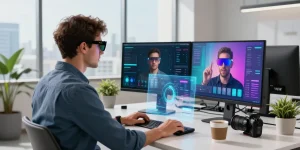
Understanding Smart Glasses: Technology and Applications
Smart glasses represent a significant evolution in wearable technology, enabling users to interact with digital information seamlessly integrated into their physical environment. These devices are not just fashionable accessories; they embody the future of augmented reality and convenience, blending the digital and real worlds in ways we’ve only begun to explore. As we delve into 2026, the landscape of smart glasses continues to expand, offering a plethora of applications, functionalities, and experiences that were previously unimaginable. When exploring options, smart glasses provide comprehensive insights into the future of personal technology.
What Are Smart Glasses and How Do They Work?
Smart glasses are a form of eyewear that integrates advanced technology such as displays, sensors, and connectivity features to enhance how we perceive and interact with our surroundings. These innovative devices often feature a heads-up display (HUD) that overlays digital information onto the real world, allowing users to access notifications, navigation, and even augmented reality content without the need to pull out a smartphone. Powered by miniaturized electronics, smart glasses can use voice commands, touch controls, or even gestures to operate various apps, making them user-friendly and versatile.
Different Types of Smart Glasses Available Today
In 2026, the market for smart glasses has diversified significantly. Here are some of the prominent categories:
- Augmented Reality Glasses: These glasses overlay digital content on the real world, enhancing the user’s environment with interactive information.
- Virtual Reality Headsets: Although technically not “glasses,” these devices provide an immersive experience through completely virtual environments, often used in gaming and simulations.
- Camera-Enabled Glasses: Smart glasses with built-in cameras can capture video and images, making them popular for vlogging or hands-free recording.
- Fitness Tracking Glasses: Designed for health enthusiasts, these glasses monitor physical activities, heart rates, and other health metrics.
- Fashion-Forward Smart Glasses: These prioritizes aesthetics while embedding tech features, appealing to consumers who want style alongside functionality.
Popular Uses of Smart Glasses in 2026
Smart glasses have carved out applications across various sectors, demonstrating their versatility. Some notable uses include:
- Enhanced Navigation: Users can receive real-time GPS directions without diverting their attention from the road.
- Home Assistance: Smart glasses can interface with smart home devices, allowing users to control their environment effortlessly.
- Remote Collaboration: In professional settings, smart glasses facilitate video calls and shared experiences, enhancing remote teamwork.
- Gaming: Interactive gaming experiences can be enhanced through augmented reality overlays, providing a unique immersive experience.
- Medical Applications: Surgeons can use smart glasses to access vital patient information during procedures, improving efficiency and accuracy.
The Benefits of Smart Glasses in Everyday Life
Enhanced Communication: Connecting in Real-Time
Smart glasses significantly enhance communication capabilities, allowing users to receive messages and notifications directly in their line of sight. This feature enables quick responses without needing to check their smartphones, which can be a distraction in various settings. Moreover, businesses can employ smart glasses for hands-free communication during teamwork, leading to improved collaboration and productivity.
Fitness and Health Monitoring with Smart Glasses
Fitness enthusiasts have embraced smart glasses that integrate health monitoring features. These glasses track workouts, heart rates, and even sleep patterns, providing valuable insights for users looking to improve their health. They can also offer guided fitness instructions in augmented reality, helping users perform exercises correctly and safely.
Augmented Reality Experiences: Adding Value to Daily Tasks
Smart glasses enable users to access an enriched version of reality through augmented overlays. Whether it’s displaying cooking recipes while preparing meals or providing context about a historical site during a visit, the practical applications of augmented reality make daily tasks easier and more efficient. As this technology evolves, we can expect even more sophisticated applications tailored to enhance user experience.
Challenges and Considerations When Using Smart Glasses
Common Misconceptions about Smart Glasses Technology
Despite their growing popularity, smart glasses often face misconceptions regarding their usability and functionality. Some people believe these devices are solely for tech enthusiasts or gamers, overlooking their practical applications in everyday life, from navigation aids to workplace tools. Moreover, concerns about complexity deter potential users; however, advancements are making these devices more accessible and user-friendly.
Privacy Concerns and Data Security Risks
As with any device that collects data, privacy concerns play a significant role in the adoption of smart glasses. Users must be aware of the data being shared and stored, particularly when using features like cameras and microphones. To address these issues, manufacturers are implementing stricter privacy policies and data encryption methods to build user trust and ensure security.
Comfort and Usability Factors in Smart Glass Design
Comfort is critical in the design of smart glasses. Devices that are too heavy or cumbersome can deter users from wearing them regularly. Additionally, usability features such as intuitive controls and adjustable fit are vital for a positive user experience. Designers are continually innovating to create lighter, more ergonomic models that seamlessly integrate technology without compromising comfort.
Best Practices for Choosing Smart Glasses
Key Features to Look for in Smart Glasses
When selecting smart glasses, consider the following features:
- Display Quality: Look for high-resolution displays that offer clear visuals without causing eye strain.
- Battery Life: Long battery life is essential for extended usage, especially for those who plan to use them throughout the day.
- Connectivity: Ensure compatibility with your devices, such as smartphones and home assistants, for seamless integration.
- Voice Control: Features that allow hands-free operation enhance usability, making them more practical in various scenarios.
- Weight and Comfort: Choose lightweight models that fit comfortably on your face for longer wear times.
Top Brands and Models to Consider in 2026
As the market for smart glasses grows, several brands and models have emerged as leaders. Some noteworthy mentions include:
- Google Glass Enterprise Edition 2: Focused on professional applications, offering robust features for workplace efficiency.
- Vuzix Blade: A stylish option that combines augmented reality with a fashionable design.
- Meta Ray-Ban Stories: Known for their social media integration, perfect for content creators.
- Apple Vision Pro: Apple’s foray into the smart glasses space, promising advanced AR capabilities.
Buying Guide: Where to Shop for Smart Glasses
Purchasing smart glasses can be an investment, so it’s essential to choose reputable retailers. Look for established electronics stores, online platforms that specialize in tech gadgets, and the official websites of well-known brands. Always check for return policies and warranties to ensure you are protected in case the product does not meet your expectations.
The Future of Smart Glasses: Trends and Innovations
Predictions for Smart Glasses Technology in 2026 and Beyond
With rapid advancements in technology, the future of smart glasses looks promising. Predictions suggest ongoing improvements in AI integration, allowing for more personalized experiences. Furthermore, enhanced connectivity with IoT ecosystems could revolutionize how users interact not only with their glasses but also with other smart devices in their environment.
Potential Integration with Other Tech Devices
Future iterations of smart glasses are expected to integrate more seamlessly with various tech devices, including smartphones, home automation systems, and wearables like smartwatches. This interconnectedness will allow for a more cohesive user experience, enabling users to control and receive information from multiple devices through their glasses.
How Smart Glasses Could Transform Industries
Smart glasses have the potential to revolutionize numerous industries, from healthcare, where they can assist surgeons with real-time data during procedures, to education, where they can enhance learning through immersive experiences. Retailers might use augmented reality features to provide customers with additional product information or virtual try-ons, significantly enhancing the shopping experience. The possibilities are vast, and as technology continues to evolve, so too will the applications of smart glasses.